

People live close to each other for years yet barely talk. Same streets, same stores, same parks. Still strangers. That changes fast when people gather outside for something simple — food, games, music, cleanup drives, movie nights. Outdoor spaces make conversation easier. Less pressure. Kids run around, adults loosen up a little. Suddenly, neighbors know names instead of just faces. Small events grow into habits; habits turn into trust.
Communities that spend time outdoors together usually feel safer, friendlier, more connected. Not perfect, but stronger. In this blog, we’ll look at outdoor community activities that help people bond, support local spaces, and create real local unity without needing huge budgets or complicated planning.
The best outdoor events are rarely expensive. What matters is participation. Shared effort. A reason to gather. Outdoor community activities give people a common experience, which many neighborhoods honestly lack now.
A few things usually happen after regular community events begin:
Not every event succeeds perfectly. Some feel awkward. Attendance can be uneven. Still worth doing.
Parks already belong to everyone. That’s what makes them useful. No formal setting, no membership, no pressure to spend money. Public park events naturally pull different groups into the same space.
Movie nights remain one of the easiest community activities to organize. A projector, open grass, blankets, and simple snacks. That’s enough.
Families show up early. Children run around before the film starts. Teenagers sit in groups. Older couples bring lawn chairs. Even people who rarely attend community functions usually come for movies because it feels casual, not forced.
Small concerts or sidewalk art festivals can shift the mood of a neighborhood quickly. Local musicians get exposure while residents actually spend time outside instead of staying isolated indoors.
Some towns invite school bands, street performers, or local artists to teach simple drawing sessions. It creates interaction without making people feel uncomfortable. Quiet people participate too. That matters.
Families are usually the center of community participation. If events work for parents and children together, attendance rises naturally.
Food still brings people together faster than speeches ever will. Community barbecues work because conversation happens naturally while eating or waiting in line.
Some neighborhoods ask residents to bring homemade dishes while organizers handle grills or seating. Others invite food trucks or local restaurants. Doesn’t need perfection. Slight chaos actually helps people relax.
Simple games work better than complicated programming. Tug-of-war, relay races, giant board games, scavenger hunts, bingo nights. Easy activities keep energy moving.
Some useful game ideas include:
These events feel playful instead of formal. That difference matters more than planners think.
Also Read: Top 5 Annual Festivals That Bring Communities Together
Communities lose momentum when events happen only once or twice yearly. Regular activities keep the connection alive.
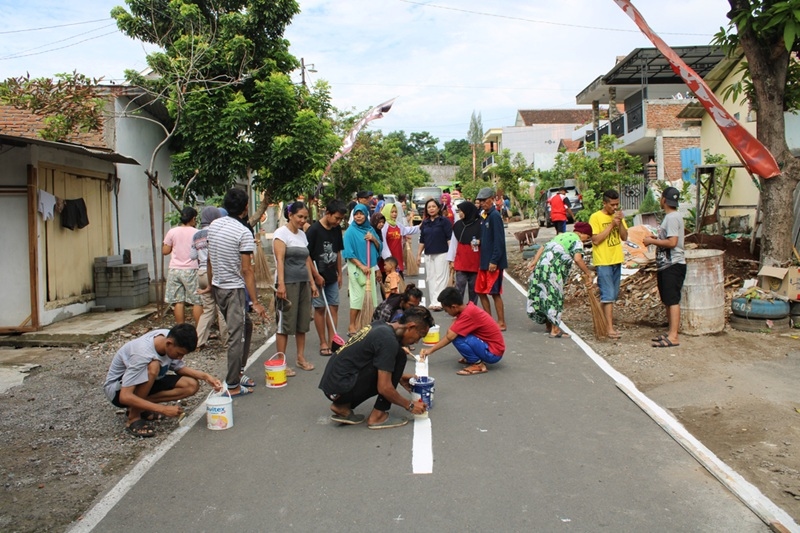
Community gardens, cleanup drives, and tree planting projects — these activities give residents a shared goal. Working side by side builds connection faster than passive entertainment sometimes.
A neighborhood cleanup day especially changes how residents view public spaces. Once people help clean a park or trail, they protect it differently afterward. Ownership increases.
People enjoy teaching what they know when the setting feels relaxed. Outdoor workshops can cover almost anything:
These community recreation ideas add value beyond entertainment. Residents leave feeling they gained something useful, not just passed time.
Weekend events matter because more residents are free to participate. Timing changes everything.
Outdoor markets bring everyone together — you see businesses, artists, food stalls, musicians, and families all buzzing in one place. It always feels lively and super inviting.
Parades pretty much shout community pride. Schools jump in, clubs march, and local performers show off their talents. Even folks just watching feel like part of the party since the streets turn into celebration zones for a while instead of boring traffic lanes.
Festivals aren’t just for fun — they shape what a place feels like.
It’s easy to feel like towns are all the same nowadays. But local outdoor festivals highlight what makes each spot unique — special recipes, music, crafts, history, or traditions. Those things remind everyone there’s something to be proud of, and it makes people feel at home, not just like they’re passing through.
Big outdoor events need a team. Most rely on volunteers, and that means involvement goes way beyond just showing up to watch. People handle setup, clean up, decorations, safety, registration, you name it.
Don't Miss: Boost Community Engagement Through Fundraising
Communities sometimes wait for huge funding or a perfect organization before starting events. Mistake. Small, consistent activities usually create stronger unity than one giant festival every few years. A weekly walking group can matter more than a costly concert. A monthly cleanup day may build more trust than expensive campaigns about “community engagement.” People connect through repetition. Familiar faces. Shared routines.
Honestly, spring and early fall are great because the weather’s comfortable—people actually want to stick around. Summer works for festivals and movie nights, but the midday heat can really keep folks away.
If a neighborhood’s working with a tight budget, that’s not a dealbreaker. Most of the best events started small anyway. Parks, schools, local businesses, and volunteers usually offer enough help to get things rolling.
Getting more residents to show up isn’t rocket science. People tend to come when events feel friendly and easy to join. Families appreciate stuff for kids; older adults need comfortable spots to sit; teens want something to do or ways to pitch in.
Outdoor activities just have a totally different vibe compared to indoor meetings. It’s less rigid, more relaxed. Folks can walk around, kids keep busy, and chats flow more easily. Indoor meetings often feel stiff, but outside, people connect more naturally.
This content was created by AI