

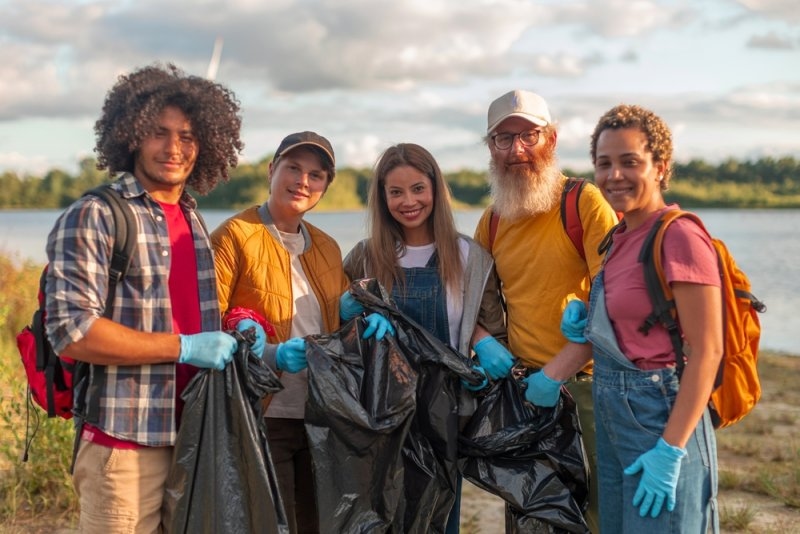
A good community cleanup is more than just clearing trash. It’s a reason to meet your neighbors, do something together, and take responsibility for the place you all call home. The simplest cleanups often work best: pick one street or one park, set aside a morning, and assign a few clear tasks. No need for a huge campaign or lots of fuss.
People want to help when they see results right away and actually know what’s next. Those quick wins get more people involved next time. Here, you’ll find practical ideas for community cleanups, different ways to organize them, tips for pulling off a cleanup event, and advice about making things simple—not complicated.
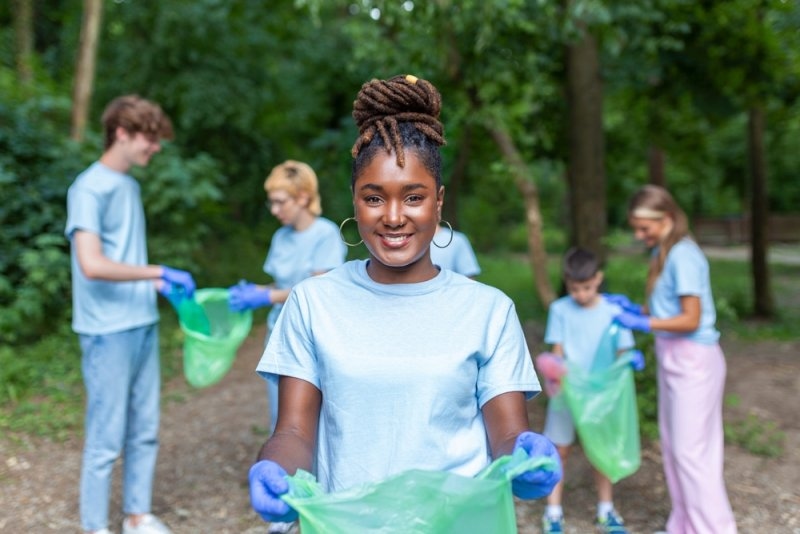
The first step is making the community cleanup easy to understand, easy to attend, and worth an hour or two of someone's weekend.
How to organize a cleanup starts with choosing a manageable area. Pick a park corner, residential lane, playground, market edge, or walking route rather than promising to clean an entire neighborhood. Set a date, meeting point, duration, and basic task list. Keep the first event short.
A useful setup includes:
Tell people exactly what they are joining. “Saturday, 9–11 AM, meet beside the park gate” works better than a vague announcement.
A neighborhood cleanup becomes more appealing when it feels like a community activity rather than unpaid maintenance. Add tea, breakfast, music at a reasonable volume, or a short game for children after the work is finished. People remember the social part.
For example, one neighborhood cleanup could divide volunteers into litter teams, planting teams, and sorting teams. You might end the day with everyone sharing breakfast. The cleaning is why people show up, but really, it’s the conversations that keep them coming back.
Also Read: Outdoor Community Activities that Increase Local Unity
Community cleanup events work better when they have a recognizable format. People should know what normally happens, even if the location changes.
Different themes prevent every community cleanup from feeling identical. A “Plastic-Free Sunday” can focus on packaging waste. A “Green Corner Day” can combine litter collection with basic planting. A “School Route Cleanup” can target roads children use regularly.
Keep themes practical. One strong target is enough.
A neighborhood cleanup around a lake, for example, might focus only on plastic bottles, wrappers, and fishing-related waste. When you set a clear, specific goal, it’s a lot easier to track progress and talk about what you’ve achieved.
Add a few small challenges, and these cleanup events suddenly feel more fun—but without making things overly competitive or stressful. Teams can count how many bags they filled, spot the weirdest piece of trash, or snap photos that show just how much a spot improved after the cleanup.
Skip prizes for who collects the most trash—people rush and stop sorting things properly when it becomes a race. Instead, recognize consistency, teamwork, safety, or creative reuse ideas.
Different spaces need different approaches. A quick comparison can prevent an event from becoming too ambitious.
| Cleanup format | Best for | Typical effort | Social element |
|---|---|---|---|
| Street cleanup | Residential lanes | Low | High |
| Park cleanup | Parks and playgrounds | Medium | High |
| Market cleanup | Busy commercial areas | High | Medium |
| River or lake cleanup | Waterfront areas | High | Medium |
| School-area cleanup | Roads near schools | Low | High |
The right community cleanup is not necessarily the biggest one. It is the one residents can repeat without burning out volunteers.
Don't Miss: Smart Event Sponsorship Strategies for Community Gatherings
How to organize a cleanup also means thinking about what happens before volunteers arrive and after they leave.
Do not make twenty people stand around asking what needs to be done. Assign basic roles in advance: registration, supplies, collection, sorting, safety monitoring, photography, and final waste handover.
One person should know where collected waste goes. Another should track supplies. It sounds minor; it prevents the usual last-minute mess.
A community cleanup should never become an excuse for handling dangerous waste. Volunteers should avoid needles, chemicals, unknown containers, broken electrical items, or anything that cannot be safely identified.
Use gloves, closed shoes, and tools where appropriate. Kids can lend a hand too, as long as they’re supervised. Let them plant flowers or help sort out clean recyclables, and leave the riskier stuff to the adults who know what they’re doing.
And just because you pulled off one great event, don’t expect the whole neighborhood to stay spotless on its own. Keeping things clean takes ongoing effort. Follow-up is what turns activity into a habit.
Take before-and-after photos from roughly the same position. Record the number of volunteers, bags collected, or areas covered. These simple details give the community cleanup a visible result.
For instance, “18 volunteers cleaned 600 metres of roadside” tells residents more than “Great turnout today.” It also gives the next event something concrete to build on.
A monthly neighborhood cleanup is easier to remember than irregular announcements. The format can stay similar while locations rotate.
Try a simple pattern:
How to organize a cleanup becomes easier after the first attempt because equipment, contacts, roles, and timing are already known.
Community cleanup can become more useful when residents are given small responsibilities between events. A shopkeeper might maintain the area outside the store. A residents' group can report overflowing bins. Children can create signs reminding people not to litter.
Community cleanup should not mean volunteers repeatedly fixing the same problem while nobody addresses its cause. If one location keeps filling with waste, discuss bin placement, collection timing, signage, or local enforcement.
That is where community cleanup becomes more than a one-day activity.
Suggested Reading: Community Networking Events That Build Real Growth in 2026
You don’t need a crowd or fancy equipment to run a solid community cleanup. What counts is picking a clear spot, setting a realistic schedule, giving folks jobs, making sure everyone stays safe, and giving people a reason to come back. When you show real results and everyone pitches in, the whole event feels stronger.
Start small—maybe with a single street—then move on to nearby parks, markets, school routes, or busy corners. The trick is repeating the cleanup. Once people know the process and their part in it, stepping up feels easier. Consistent small efforts, done well, really do change the way a neighborhood treats its shared spaces.
Closed shoes, clothes you don’t mind getting dirty, gloves, and something for sun protection. These make sense, especially when you’re collecting trash near roads or in parks.
If the event’s bigger or formally organized, check if you need insurance or permits. Sometimes the venue, a neighborhood group, or your local government might have rules or requirements. It all depends on where you are and what you’re planning.
Pick one person—the coordinator—to listen to complaints. That way, not every volunteer gets pulled into every problem. Write down concerns, stay calm, and if you can’t resolve something, pass it on to the right local office.
Absolutely. Local businesses can pitch in with drinks, supplies, extra hands, or trash removal. Their support also helps connect the shops on the block with the people who live nearby.
Don’t just toss out anything that’s still useful. If it’s clean and safe, gather those items for reuse, donate them, or send them to local organizations that can put them to good use.
This content was created by AI