

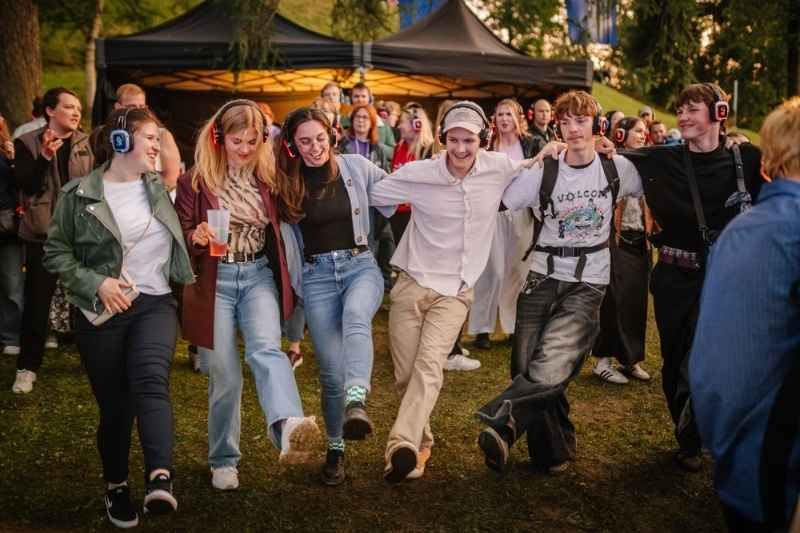
Festivals used to mean giant speakers, packed crowds, noise complaints, and tired feet. Same setup, every time. But something shifted. More events now are giving people headphones instead of loud stages, changing the whole mood without killing the energy. A strange idea at first, maybe. Yet it works.
People dance harder, stay longer, and somehow feel more connected while standing in total silence to outsiders. Weird but real. From beach parties to city rooftops, this trend keeps growing. In this blog, we will talk about why silent disco festivals are rising, how the experience feels, the major benefits, and popular events in the USA.
A silent disco party sounds odd if you have never seen one. No giant speakers blasting music across a field. Instead, everyone wears wireless headphones connected to different music channels. People pick what they want to hear. Dance to EDM, hip-hop, or old-school hits—same space, different moods.
From far away, the crowd looks funny. Hundreds dancing in silence. But step inside, and it suddenly makes sense.
The biggest shift is control. Festival visitors are no longer forced to hear one playlist all night.
Someone beside you might be vibing to house music while you switch to pop. Nobody argues over the DJ. Less friction, more freedom. That matters, especially at large events where crowds want different things.
Also Read: United Purpose: How Community Events Spark Human Connection
The rise did not happen randomly. Organizers noticed people wanted festival experiences that felt more personal, less exhausting.
Regular festivals can become overwhelming. Loud music everywhere, constant noise, nowhere quiet. Silent discos create something different — energy without overload.
Cities also like them because there are fewer sound complaints. This matters for urban events where loud music is usually restricted after certain hours.
Some reasons behind the popularity include:
And social media helped push the trend. Silent crowds singing loudly to invisible songs? People record it because it looks strange, funny, and memorable.
The United States already has several well-known silent festival experiences, some of which have become yearly favorites.
Events often linked with silent disco culture include:
Not every festival is fully silent, though. Many add headphone sections as bonus attractions first.
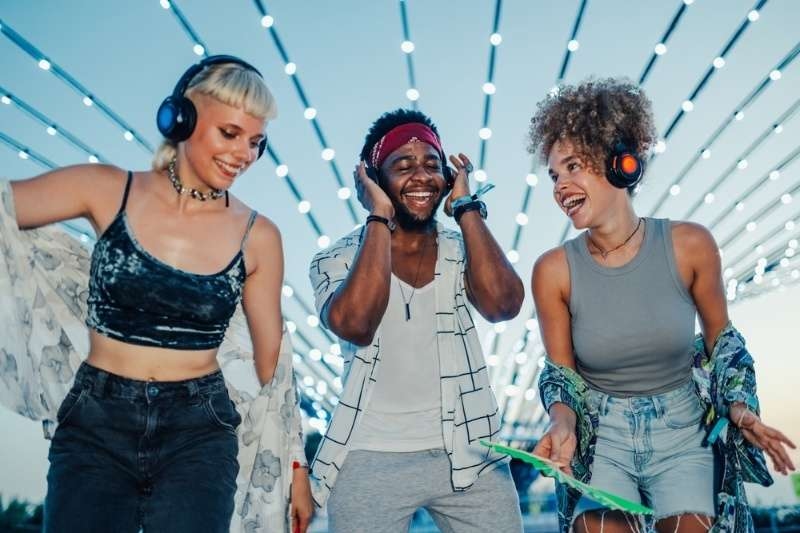
The silent disco experience feels unusual for the first ten minutes. Honestly, maybe awkward too.
You remove the headphones—silence. Put them back on—instant energy. It creates this odd split reality where your world changes depending on one button.
One underrated feature is music switching.
Many silent festivals use headphones with color-coded channels. Blue for pop, red for electronic music, green for throwback songs. You spot people singing different lyrics right beside each other.
This part surprises people.
Silent events feel oddly private because your soundtrack stays close to you. Yet they also become social because shared experiences matter more. Someone switches songs suddenly—everybody laughs when they realize half the crowd is dancing differently.
The benefits of silent disco events go beyond novelty. It is not just about looking cool in wireless headphones.
There are practical reasons organizers keep investing in them.
Traditional festivals can wear people down quickly. Hours of loud music become tiring, especially for families or older guests.
With silent setups, visitors control volume levels themselves. Too loud? Lower it. Want a break? Remove headphones for five minutes. Simple fix.
Organizers gain flexibility, too.
Silent festivals work in places where giant sound systems may fail—rooftops, parks, indoor venues, beaches, and museums, even. Since external sound stays low, more creative locations suddenly become possible.
Noise complaints ruin events faster than anything.
Silent festivals reduce neighborhood problems, especially in cities where residents dislike late-night noise. That creates smoother relationships between event planners plus local authorities.
The growth is spreading into spaces people did not expect.
Silent disco events now appear at wellness retreats, fitness classes, museum nights, college campuses, corporate gatherings, and even weddings. Strange combination, maybe, but people enjoy the novelty.
Gen Z audiences especially seem interested in experiences that feel interactive rather than passive.
A normal concert means standing there watching. Silent discos feel more participatory. You pick music, react instantly, and shape your night. More control, less routine.
Don't Miss: Different Unique Bonding Experiences for Friends & Families
Festival culture changes constantly, but silent disco events seem to be sticking for reasons bigger than novelty. People want experiences that feel more flexible and less overwhelming, yet still exciting. A headphone party somehow manages all of that. Strange idea on paper; surprisingly fun in real life. From major festivals like Bonnaroo or Electric Forest to city rooftop gatherings, the format keeps spreading.
Yes, mostly because you set your own volume. Unlike massive speakers blasting away, you can dial things down any time. Best to keep it moderate during marathon dance sessions.
Sometimes tickets are a touch pricier—headphones aren’t free, after all. But not always. Lots of festivals include silent disco zones as part of regular admission, so you don’t pay extra.
Usually, there’s a refundable deposit or some kind of tracking tag. Lose your pair, and you’ll probably pay a replacement fee. How it works depends on the festival.
Definitely, many family-friendly events use silent dance areas since the noise stays low. Parents appreciate the calmer atmosphere, and kids love switching channels and dancing without limits.
This content was created by AI