

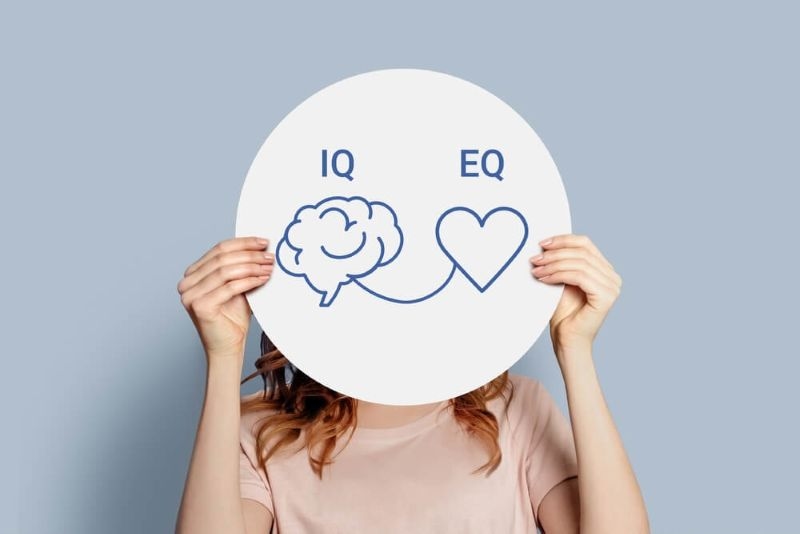
Leadership in the United States has evolved far beyond authority, titles, or technical expertise. In today's workplaces, shaped by hybrid teams, cultural diversity, and constant change, the most effective leaders are those who are emotionally intelligent. Being emotionally intelligent is no longer a "soft skill"; it is a sustaining value that directly influences trust, performance, employee retention, and long-term organizational success.
From the boardrooms of companies to small businesses and nonprofit organizations, leaders who understand emotions, their own and those of others, are better equipped to navigate conflict, motivate teams, and make balanced decisions. Here, we examine the concept of an emotional intelligence book, its significance in leadership, how leaders can identify individuals with low emotional intelligence, and practical strategies for learning how to improve emotional intelligence and build interpersonal skills.
To understand emotional intelligence's sustaining value in leadership, we first have to answer the foundational question: What does it mean to be emotionally intelligent?
Being emotionally intelligent requires an understanding of managing your own emotions as well as understanding the emotions that surround and affect other people. An emotionally intelligent leader does not try to control the emotions or let the emotions run free; he utilizes the tool of emotions to manage his behavior and actions.
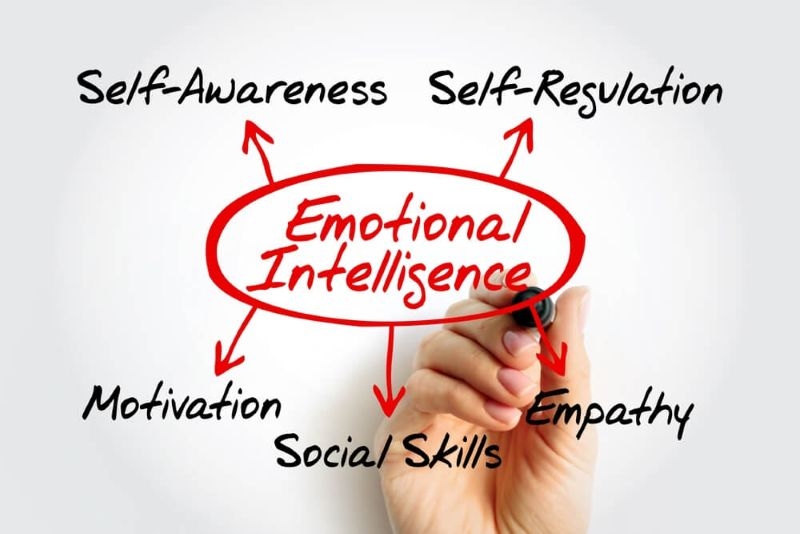
In essence, emotional intelligence comprises:
When leaders have good emotional intelligence, they are able to communicate more effectively, manage stress better, and establish good professional relations. On the contrary, leaders with low emotional intelligence tend to lack good feedback skills, have impulse reactions, and demoralize group morale.
The need to be adaptable, emotionally balanced, and connect emotionally has become a major part of leading. Studies find that leaders who are more emotionally intelligent are more effective than those who are purely cognitive. The need for adaptability and balance has become increasingly important for leaders in today’s United States workforce, as they are required to foster collaboration, inclusion, and psychological safety.
An emotionally intelligent leader can:
Conversely, a low EQ among management can lead to a high rate of employee turnover, disengagement, and a breakdown in communication. This can be a result of management members failing to acknowledge other people’s feelings.
Examples of practical uses of emotional intelligence can help make it clearer how the set of skills manifests in a practical leadership context.
A classic example of this is how feedback is delivered. A leader takes note of an employee appearing nervous and changes his tone of communication, which turns constructive. Another example of emotional intelligence is taking time before saying anything in an intense meeting, letting the emotions pass before making a wise decision.
Other examples of Emotional Intelligence include:
These are some examples of how EI affects the ability of a leader to lead and manage people effectively. Leaders who are able to adjust to and exhibit these behaviors work in environments where people feel valued and heard.
While emotionally intelligent leadership builds trust, low emotional intelligence destroys trust. Leaders with low emotional intelligence may not realize how their words or behaviors affect others. They might interrupt, dismiss concerns, or get defensive about feedback.
The most common signs of low emotional intelligence include the following:
Low emotional intelligence is a major contributor to organizational burnout, workplace conflict, and reduced collaboration in U.S. organizations. Eventually, such issues will not only relate to the morale of a team but also to organizational reputation and performance.
Fortunately, emotional intelligence is not set in stone. With consistent practice and reflection, leaders can actively learn how to improve emotional intelligence.
Other techniques on how to raise EQ include:
Thus, through deliberate focus on these practices, leaders develop their capacity for thoughtful response over and above mere emotional reaction.
To gain an understanding of how to cultivate EQ requires dedication and time. Emotional intelligence is not like other forms of intelligence that are developed in the classroom through training by instructors.
One of the best approaches to developing EQ is that of emotion labeling, or referring to emotions as they are felt. It enables the leader to differentiate between feelings of frustration, disappointment, and anxiety, and in return, they can respond accordingly.
Other tested ways to build EQ include:
People who put time into understanding how to increase their emotional intelligence may find a difference in the workplace, as well as in their social lives.
For many leaders, reading an emotional intelligence book is a powerful starting point. A well-written book on emotional intelligence provides research-based knowledge, practical exercises, and real-world applications.
Popular emotional intelligence books relate more to leadership, workplace communication, and personal growth. These emotional intelligence books help leaders understand emotional patterns, recognize behaviors of low emotional intelligence, and apply strategies to real challenges.
The EQ book can do the following:
When leaders read books about emotional intelligence, they provide themselves with a plethora of perspectives and tools to reinforce their leadership approach.
There are many highly acclaimed books on emotional intelligence that particularly strike a chord with U.S. leaders across industries. Though the focus of each emotional intelligence book may be singular, they all seem to echo the importance of self-awareness, empathy, and emotional regulation.
Leaders who are known to regularly read books related to emotional intelligence have been found to have better communication skills and conflict resolution. The books related to the topic of emotional intelligence can be very beneficial for executives who find themselves in high-pressure situations.
To apply learned knowledge from an emotional intelligence book, it is essential that it be read together with implementation.
Emotionally intelligent leaders are essential in determining an organization’s culture. This is because when emotionally intelligent leaders demonstrate understanding and empathy, such characteristics trickle down in an organization.
A society of emotionally intelligent leaders will foster:
On the other hand, emotionally unintelligent managers create organizations that operate in fear-based cultures where employees feel unwilling to speak out. This impacts innovation in the long run.
The power of emotional intelligence to sustain an individual lies in the long-term effects it has. Emotionally intelligent leaders are able to create resilient teams that are able to withstand change. They also retain their best employees.
Begin with an understanding of what it means to have emotional intelligence, but then apply examples of it in your personal life, watch for patterns in low emotional intelligence, and work towards improving it.
Through understanding how to build on emotional intelligence and deriving insights for leaders from reading books on emotional intelligence, leaders are seeking to develop a skill set that will continue to benefit them throughout their careers.
Within today's constantly shifting environment of leadership in America, emotionally intelligent leadership is not something that a leader can choose to do or not do—it is something that must be done. Emotionally intelligent leaders are leaders who are able to see through cloudy complexities with a level head and a sharp mind.
Whether you are just discovering the basics of what it means to have high emotional intelligence or going deep into the work of improving your level of emotional intelligence, it is an important journey that will be worth the work and effort. Leaders can reach new heights of personal effectiveness and use the organizations they serve with renewed effectiveness.
As far as grasping the concept of emotional intelligence, particularly regarding leadership, it is essential to understand that it entails being conscious of your emotions, managing your feelings, and recognizing the emotions of others. The emotionally intelligent leader is a person who effectively communicates, deals with conflicts, and uses decision-making that takes into account logic and emotions.
Leaders can learn what they could do to improve in the area of emotional intelligence by reflecting, soliciting feedback, and working to improve their active listening skills. Understanding what they can learn to improve their emotional intelligence also entails working to reduce stress, recognizing others’ emotional signs, and thinking before acting on an emotion rather than acting on it in the moment. They could also read a book on emotional intelligence or read other recognized books on the topic of emotional intelligence.
A leader lacking emotional intelligence may display these traits: poor listening skills, defensiveness when given feedback, a failure to empathize, or moodiness when upset. A leader lacking emotional intelligence may not understand the reactions of others when they are involved in an activity, which may result in clashes and poor morale. The above-mentioned traits can be addressed by leaders if detected early.
This content was created by AI