


Success looks shiny from the outside. Promotions, stable relationships, and confidence that feels effortless. But behind most of those wins is something quieter and far more human. Emotional Intelligence (EQ) Development. It shapes how you react when plans fall apart, how you listen when someone disagrees, and how you show up when things feel uncomfortable. This blog walks through what EQ really means, why it matters more than many people expect, how to improve EQ in daily life, and how practical habits and emotional intelligence activities turn awareness into real-world results.
Before tactics and tools, it helps to ground ourselves in what EQ actually is and why it keeps showing up in conversations about work, leadership, and relationships.
Emotional intelligence is your ability to notice emotions, understand them, and respond without making a mess of things. Yours and other people’s. That’s it. No fancy psychology terms needed.
Think of it like driving. You can have a powerful engine, but without brakes and steering, you won’t get far. EQ is the steering wheel. It helps you pause, choose your response, and move forward without unnecessary damage.
Here’s the thing. Raw intelligence can get you through exams and interviews. EQ carries you through conflict, pressure, and long-term collaboration.
In offices across the US, hiring managers quietly value calm communicators over technical geniuses who explode under stress. The same goes for friendships and marriages. People remember how you made them feel long after they forget what you said.
Explore More: 10 In Demand Tech Skills to Have a Successful Career
Emotional intelligence sounds abstract until you break it into skills you can practice and strengthen over time.
Self-awareness is noticing your emotions as they happen. Not later. Not after the damage.
You catch the tight jaw during a meeting. You notice irritation rising during traffic. That awareness creates a small pause. And that pause changes everything.
Journaling helps. So does mindfulness. Even a quick check-in like, What am I feeling right now? can shift your reaction.
Once you notice emotions, managing them becomes possible. Not suppressing. Managing.
This means taking a breath instead of firing off a sharp email. It means stepping away when emotions run hot. It’s not a weakness. It’s a skill.
Athletes do this instinctively. Professionals learn it the hard way.
Social awareness is about tuning into others. Tone. Body language. What’s not being said.
You know what? Most misunderstandings happen because people listen to respond, not to understand. EQ flips that habit. It invites curiosity.
This is where EQ shows up publicly. Conflict resolution. Clear boundaries. Trust.
Strong relationships don’t avoid tension. They handle it with respect. That takes practice, patience, and emotional regulation, working together.
Empathy is more than being nice. It’s the skill of stepping outside your own experience, even briefly, and considering what someone else might be carrying.
This doesn’t mean you agree with them. It means you’re willing to pause your judgment. When people feel understood, defenses drop. Conversations soften. Outcomes improve.
Also check: How AI Shapes Microlearning Strategies for Skill Growth
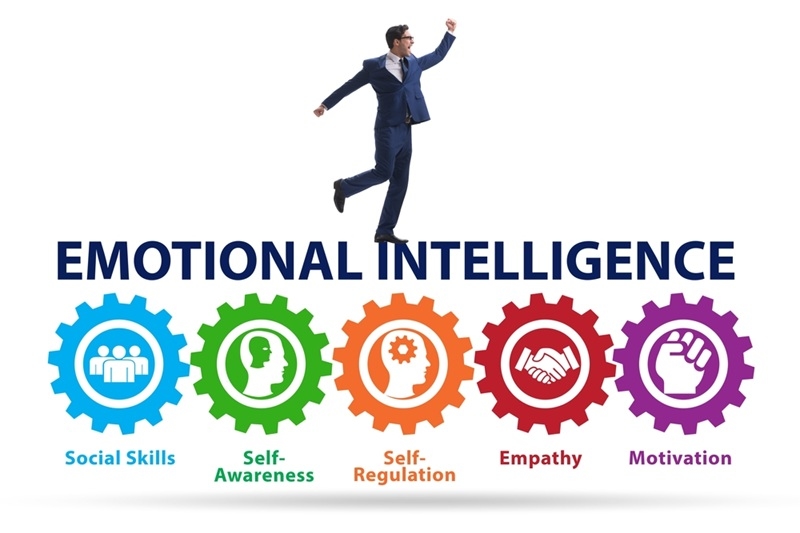
Improving emotional intelligence does not require a retreat or a coach on speed dial. It starts small.
You build EQ the same way you build muscle. Reps.
Honestly, these tiny habits quietly rewire your reactions over time.
Feedback stings. That’s normal.
The emotionally intelligent response is curiosity. What’s useful here? What can I leave behind?
In workplaces across the US, professionals who receive feedback calmly tend to grow faster. Not because they are perfect, but because they are teachable.
Workplaces talk about emotional intelligence more than ever, and for good reason.
EQ is often labeled as soft. That label sells it short.
Emotional intelligence affects negotiations, performance reviews, teamwork, and decision-making. Tech companies, healthcare teams, and startups alike now invest in eq skills training because communication breakdowns cost money.
Clear emotions lead to clearer thinking.
Leadership isn’t about having answers. It’s about staying grounded when others look to you.
A calm leader during uncertainty builds trust. An emotionally reactive one creates fear. Presence comes from self-regulation, not authority.
Many effective leaders use coaching apps, reflection journals, or leadership programs that quietly center emotional intelligence without flashy language.
Top Pick: Microlearning Training for Quick and Effective Skill Growth
Reading helps. Practicing helps more.
Emotional intelligence activities don’t need to feel academic.
Try one. See what shifts. It often feels awkward at first. That’s part of the process.
Reflection can feel uncomfortable. Sitting with feelings usually does.
But short weekly check-ins, even ten minutes, help you spot patterns. What triggers frustration? When do you withdraw? Awareness grows clarity.
Apps like Headspace or Calm can support reflection, especially for beginners who want structure.
The effects of emotional intelligence ripple outward in ways people rarely expect.
High EQ professionals often experience better collaboration, fewer conflicts, and clearer communication. That leads to promotions, stronger networks, and less burnout.
People trust those who manage emotions well. Trust opens doors.
EQ strengthens friendships, partnerships, and family dynamics. It reduces misunderstandings and builds emotional safety.
Mental health improves, too. Naming emotions lowers stress. Regulation prevents overwhelm. You feel steadier. More grounded.
And yes, life still gets messy. Just less chaotic.
Emotional Intelligence (EQ) Development is not about becoming emotionally perfect. It’s about becoming emotionally aware. Steadier. More intentional.
Real success feels sustainable. It’s built through conversations that don’t spiral, decisions that aren’t reactive, and relationships that hold under pressure. EQ shapes all of that quietly, consistently, and powerfully.
If there’s one takeaway, let it be this. You don’t need to change who you are. You need to understand yourself better. From there, everything else starts to shift.
Emotional intelligence is the ability to recognize emotions and respond thoughtfully rather than react automatically. It applies to both personal and professional life.
EQ improves gradually through daily habits and reflection. Many people notice meaningful changes within a few months of consistent practice.
Yes. Emotional intelligence can be developed at any stage of life through awareness, feedback, and practice.
Employers value EQ because it improves teamwork, communication, leadership, and stress management across roles.
This content was created by AI