

Every workplace runs on conversations. Some chats are just routine, but others shape everything: who gets what budget, when deadlines hit, who takes on new responsibilities, and which projects get the green light. A lot of people think negotiation is just for sales meetings or signing contracts. It’s not.
Employees work out how they’ll juggle tasks, managers work with teams on deadlines, and groups sort out resources—almost every day. And the quality of these conversations really affects trust, productivity, and the actual results a business gets.
Here, you’ll get the basics of negotiation skills, see how they work day-to-day, check out real-world examples, and find easy ways to get better at them so you can perform at your best on the job.
Good negotiation skills improve far more than difficult conversations. They improve teamwork, decision-making, project delivery, plus employee relationships. People who communicate clearly usually resolve disagreements before they become bigger issues.
Many people ask, “What is a negotiation skill?” when discussing professional development. Simply put, what is a negotiation skill? It is the ability to reach an agreement while protecting relationships and business goals.
Understanding what is a negotiation skill also means recognizing that negotiation is more than persuasion. Listening, preparation, questioning, emotional control, plus problem-solving all matter. Once people understand what is a negotiation skill, they stop treating every discussion like an argument.
Managers often ask, "Why are negotiation skills important beyond sales?" The answer is simple. Every department negotiates resources, expectations, deadlines, or priorities. Knowing why negotiation skills matter helps people sidestep pointless arguments at work.
When teams know how to negotiate, they talk things out better, resolve issues faster, and make stronger decisions together. That’s really the heart of it—negotiation skills boost team performance and help people keep trusting each other.
Don't Miss: The Real Psychology Behind Quitting Too Soon in Life
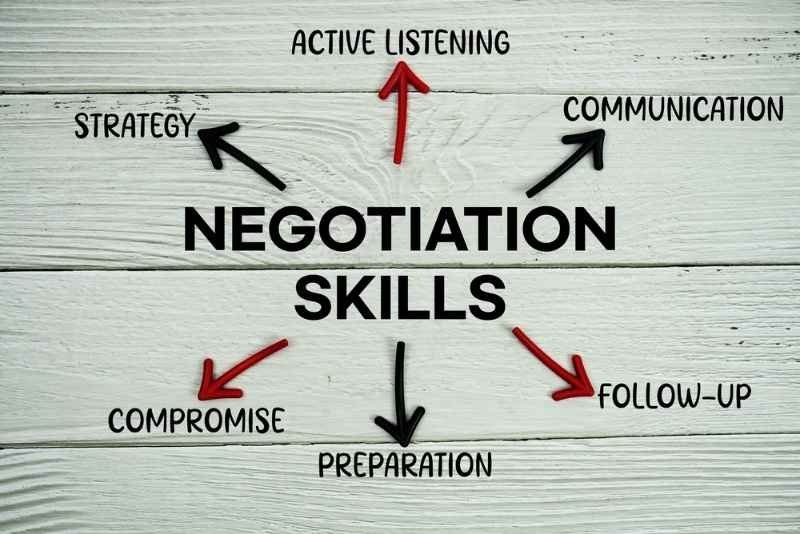
Improvement comes from repetition, not personality. Most successful negotiators were trained through experience rather than natural talent.
Many professionals search for how to develop negotiation skills because they assume confidence comes first. Usually, practice comes first. A practical way to develop negotiation skills is preparing before every important conversation.
Define your objective, possible compromises, questions, plus acceptable outcomes. One simple trick to get better at negotiating? Just look back at past conversations. Notice what went right and where you tripped up.
You don’t need fancy workshops to sharpen your negotiating edge. Watch how experienced managers handle things. Practice asking clear questions, listening without jumping in, and wrapping up each conversation by restating what you agreed on.
That's a practical answer to how to improve negotiation skills. Small habits repeated consistently usually outperform complicated techniques.
Strong business negotiation skills rarely depend on who talks the most. Instead, effective business negotiation skills come from preparation. Great negotiators do their homework.
Many negotiation skills techniques sound impressive but fail in real conversations. Simplicity works better. Useful negotiation skills techniques include asking open questions, identifying shared interests, pausing before responding, summarizing agreements, plus separating people from problems.
Looking at negotiation skills examples makes the concept easier to understand. An employee requests an extended deadline because the project requirements have changed. Think about a manager who, instead of flatly turning down a request, tries to shift priorities around—that’s negotiation in everyday action.
There’s this big difference in negotiation style:
| Situation | Weak Approach | Strong Approach |
|---|---|---|
| Deadline discussion | Make demands | Discuss priorities and options |
| Salary conversation | Focus only on pay | Consider benefits, growth, and flexibility |
| Team conflict | Defend positions | Identify shared objectives |
| Vendor meeting | Push for the lowest price | Seek long-term value |
| Client request | Immediate refusal | Explore practical alternatives |
It’s not about who’s smarter. It’s who’s prepared.
Every negotiation is different. The best ones—the collaborative kind—help you build real relationships with people. Competitive negotiation suits high-risk situations.
Problem-solving discussions rely on another set of types of negotiation skills focused on mutual benefit. Understanding these types of negotiation skills helps professionals choose better approaches instead of repeating the same style every time.
Strong principles of negotiation skills rarely change. So, take your time to prepare. Actively listen. Show respect, and focus on what everyone needs, not just what they say they want. Make sure everyone leaves clear on the results.
These principles of negotiation skills work because they reduce misunderstanding. Following consistent principles of negotiation skills also improves credibility over time, especially for managers leading teams through difficult conversations.
Real examples of negotiation skills at work appear almost daily. It plays out all the time: a project manager shifts deadlines after a talk about resources. HR finds a middle ground between what employees want and company rules.
Department heads haggle over budgets before each quarter kicks off. Day in, day out, good negotiating stops drama before it starts—and brings people together to get things done.
Also Read: How Soft Skills Training Supports Professional Development
Good negotiation isn’t about "winning" or beating the other person. It’s about tackling problems without wrecking relationships. That’s a big deal. Companies where people know how to negotiate well generally see fewer fights, quicker decisions, better teamwork, and healthier cultures.
The best part? Anyone can improve at negotiating. Prep before a big talk. Ask smart questions. Pay attention to what others say. Forget about scoring points—focus on what you both need. Keep practicing, and those small gains stack up fast.
Definitely, a lot of introverts do great because they think things through and actually listen before they speak. Negotiation values thoughtfulness over non-stop talking.
No question. When everyone's working online, it’s easier for wires to get crossed. Strong negotiation skills help teams set clear expectations, fix priorities, agree on deadlines, and work together—no matter where they are.
Most folks see progress in a few weeks if they practice negotiation regularly. If you prep for conversations, reflect afterward, and get feedback, you learn even faster.
Absolutely. You use negotiation skills with family, when handling money, when dealing with customers, and even in your neighborhood or with friends. The basics stay the same in almost any situation you can think of.
This content was created by AI