

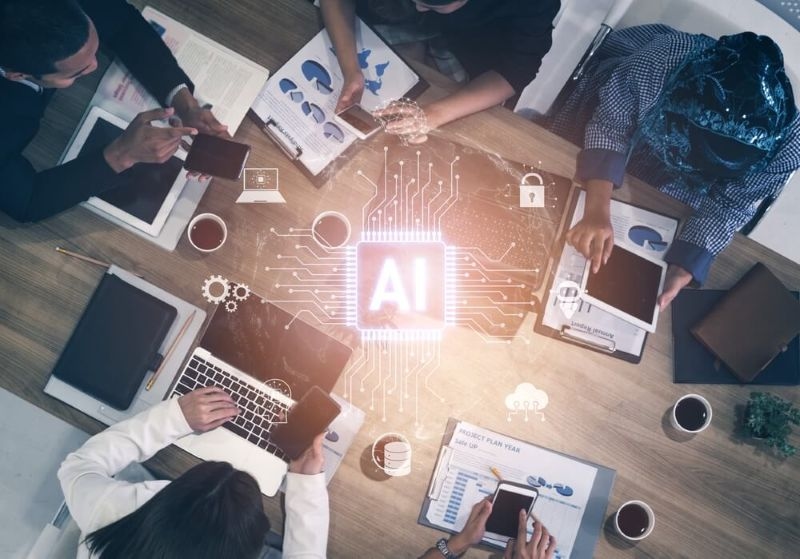
AI in learning and development is slowly changing how organizations train employees and improve workplace performance. It helps learning systems become more practical, flexible, and connected to real work needs.
This blog will help you understand how AI is changing workplace learning systems. It also covers the benefits of AI in training and the factors organizations must consider.
Must Read: Emotional Intelligence (EQ) Development for Real Success
Workplace training has always been part of professional growth. Employees need guidance, practice, and time to build new skills. In the past, training programs often followed a simple method. Employees attended workshops, listened to presentations, and completed training modules. But real workplaces are rarely that simple.
Traditional training programs rarely adapt to these differences. Most training sessions follow the same structure for everyone. Because of that, learning often becomes less useful for many employees.
This is how AI in Learning and Development has changed the situation. These systems can observe how employees interact with learning content. They can track the progress and highlight areas where employees struggle.
You can check the following list to understand the benefits of AI in corporate training:
Traditional training programs treat every employee the same. Everyone receives the same course, the same lessons, and the same schedule. But employees rarely start at the same level. Some already know the basics. Others may be completely new to the topic. AI systems can analyze learning behaviour and progress. Based on that information, employees receive learning material that matches their current skill level.
Training does not end when a session finishes. Employees often need reminders or guidance while performing tasks. That is where AI-based learning tools provide continuous support. This approach strengthens AI workplace learning systems. Learning becomes part of the working process rather than a separate activity.
Training managers often struggle with a simple question. What exactly should employees learn? Training programs may focus on the wrong areas without clear information. Time and effort are wasted. AI systems help solve this problem. They collect learning data and highlight patterns. Training teams can see which topics employees understand well and which topics require more support.
Top Pick: Need for an Emotionally Intelligent Approach in Leadership
The following list will help you to understand the factors to consider for AI learning and development:
Every training program must begin with clear learning goals. Organizations need to understand what skills employees should develop and how those skills support their roles. Learning systems may produce large amounts of content that employees cannot easily apply without clear goals.
People do not learn in the same way. Some employees prefer short lessons. Others like detailed explanations. Some enjoy interactive practice, while others prefer reading material. Thus, understanding learning behaviour helps organizations design better training systems. This understanding also improves AI for employee training strategies because learning systems can adapt to individual habits.
Training programs work best when they connect directly with daily work. Employees remember information better when they use it immediately. This is why learning systems should support real workplace activities. Employees can apply knowledge instantly when learning resources appear during everyday tasks.
The following steps will help you to understand how AI for employee training works:
The first step is identifying the skills employees need. Training teams review job roles, team responsibilities, and workplace challenges. They examine where employees may require additional support. This analysis helps organizations design AI skills development programs that focus on practical abilities.
Once training programs begin, AI systems start collecting learning data. They observe how employees interact with training modules, how quickly they complete lessons, and which topics create difficulties. This information helps training teams adjust learning content.
As the patterns emerge, the AI systems will begin to suggest training modules according to how the employee has been progressing. The lessons will be more personalized, depending on the employee’s skill level and their role in the company, making the AI training programs more precise and accurate.
The key things that you need to know about AI workplace learning are listed below:
Employees no longer need to leave their workstations for long training sessions. Instead, short lessons appear during real work situations. For example, an employee may receive a quick guide while performing a task. That guidance helps them complete the work correctly.
Traditionally, training meant hours of slogging for employees as they worked their way through training lessons. Nowadays, things are different, however. Employees can be brought up to speed on what they need to know—practical tasks—without overwhelming them. You can get through a small lesson in a flash and then get right back to work.
Work environments continue to evolve. New tools appear. Processes change. Roles expand. This is the reason employees must keep improving their abilities. This is why AI skills development is becoming important for many organizations. Continuous learning helps employees stay prepared for future challenges.
You can check below to find out the practical tips for AI skills for development:
Learning should not happen only during scheduled training sessions. Employees benefit from small learning moments throughout the workday. Short lessons, quick guides, and small practice activities help employees build knowledge gradually. This approach encourages steady improvement.
Training becomes more useful when it reflects real workplace situations. Employees learn faster when examples match the tasks they handle every day. This practical method strengthens AI for employee training programs because employees immediately apply new knowledge. Learning becomes relevant and meaningful.
Technology supports learning systems, but human guidance still plays an important role. Managers and trainers help employees stay motivated and focused on improvement. This combination of technology and human support creates a balanced learning environment.
Workplace training is evolving as organizations explore modern learning methods. AI is helping learning systems become more flexible, responsive, and connected to real work situations. When used carefully, AI in Learning and Development can support employee growth and help organizations build training programs that improve performance over time.
AI in Learning and Development refers to the use of technology that helps organizations improve training programs and personalize learning experiences.
AI analyzes learning behaviour and progress, helping organizations design training programs that address real skill gaps.
Yes. AI for employee training helps organizations provide relevant learning resources and improve training efficiency.
This content was created by AI